By clicking “Accept All Cookies”, you agree to the storing of cookies on your device to enhance site navigation and analyse site usage. View our Privacy Policy for more information.


At the heart of every movement are people, learning, experimenting, and growing together. In the 2025 Annual Forum, campaigners, advocates and innovators explored what power over, power with and power to means in six immersive skill workshops.
The sessions were spaces of collective experimentation and co-creation, where play met purpose, and where skills took root in the fertile ground of community and creative collaboration.
Before we can change the world, we first need to see it clearly. In some of our skills workshops, participants were invited to uncover the invisible threads of power that shape our food systems.
Led by Lucy Antal and Edit Tuboly from Foodrise EU, the workshop “Exploring Power through Snakes and Ladders” recreated an interactive game where participants became players in the unequal world of power and took turns rolling dice as characters shaped by real-life inequalities. Here, the game of Snakes and Ladders took on a new meaning, where chance, privilege, and systemic barriers were interwoven in a playful yet piercing reflection on our current food systems. Together, we discovered how working towards equity takes more than luck – it takes awareness, solidarity, and courage to challenge the rules of the game itself.
From climate justice to food rights, the law can be a powerful lever for change, yet it can often feel incredibly intimidating. The workshop entitled “See You in Court!” by Ugo Taddei and Sarah Martin from ClientEarth demystified strategic litigation and revealed how legal tools can become instruments of empowerment. Through real-life case studies and open discussion, we explored how collective action and courtroom strategy can hold power to account, and why justice begins long before a case is filed.
Change begins in the heart, just as much as it does in the mind. This was emphasised in many of our skills workshops, which reminded us just how connecting – truly connecting – can be a radical act. Through the tools of empathy, presence, and creativity, we can use communication to transform conflict, strengthen collaboration and bridge divisions to bring about change.
In “From Ask to Empathy – How Nonviolent Communication Transforms Campaigning”, led by Florian Wall from Madre Brava, we practiced this by listening beyond disagreement, and exploring how empathy can bridge divides between activists, policymakers and farmers alike. Through Nonviolent Communication (NVC), we learned that behind every position lies a shared human need, and that this understanding can unlock collaboration even in the most polarised spaces. It was a powerful reminder that it is through connection, not simply persuasion, that change can flourish.
Just as NVC invites us to listen deeply and connect, Mixed Nuts (an improv group from Warsaw) showed us how presence, trust, and creativity can bring those connections to life. In their session “Empowerment Through Improv”, we practiced how to stay grounded amid uncertainty by projecting confidence, listening deeply, and co-creating stories in the moment. The workshop reminded everyone that power is not only spoken, but also embodied, and that sometimes change begins with the courage to take part, explore and experiment.
Understanding and connection, however, are only the beginning. To create lasting change, this must be transformed into action. Our skills sessions equipped participants with practical tools and knowledge to drive tangible impact in their communities.
For instance, in ‘Tech for Change – Building a Sustainable Future Through Digital Skills’, led by Wiktor Chęciński from the Kaczuchy Dziennikarskie Foundation, we explored how digital literacy can become a force for social and environmental justice. From fact-checking information, analysing media and running online campaigns, the session helped us discover how technology can help tend the ecosystems of truth and amplify marginalised voices. By the end, we took a step forward in our digital skills and felt empowered to cultivate change online that can ultimately give rise to justice in the real world.
In “Foodscaping – Designing the Spaces that Feed Us”, led by Gonçalo Folgado and João Martins from Locals Approach, we were taken on a journey of how the spaces we inhabit can nourish people and communities alike. From urban gardens to local food hubs, we mapped food systems, reimagined public spaces and considered how designs can help build more sustainable diets, strengthen social ties, and regenerate our food environments. The workshop revealed that transforming food systems isn’t just about what we eat, it’s also about how we grow, share, and steward the spaces that feed us.
Each workshop was a seed, planted in shared soil and nurtured by creativity and collaboration, demonstrating how systemic change is cultivated through connection, not isolation. They were spaces for planting ideas and sharing visions, offering us skills for change as well as a sense of real agency and possibility. By weaving these tools for action into our collective practices, we can work towards a more just, sustainable food future, where our knowledge, creativity, and shared effort can blossom into an impact that far extends these sessions themselves, the reach of which is unlimited.
At the heart of every movement are people, learning, experimenting, and growing together. In the 2025 Annual Forum, campaigners, advocates and innovators explored what power over, power with and power to means in six immersive skill workshops.
The sessions were spaces of collective experimentation and co-creation, where play met purpose, and where skills took root in the fertile ground of community and creative collaboration.
Before we can change the world, we first need to see it clearly. In some of our skills workshops, participants were invited to uncover the invisible threads of power that shape our food systems.
Led by Lucy Antal and Edit Tuboly from Foodrise EU, the workshop “Exploring Power through Snakes and Ladders” recreated an interactive game where participants became players in the unequal world of power and took turns rolling dice as characters shaped by real-life inequalities. Here, the game of Snakes and Ladders took on a new meaning, where chance, privilege, and systemic barriers were interwoven in a playful yet piercing reflection on our current food systems. Together, we discovered how working towards equity takes more than luck – it takes awareness, solidarity, and courage to challenge the rules of the game itself.
From climate justice to food rights, the law can be a powerful lever for change, yet it can often feel incredibly intimidating. The workshop entitled “See You in Court!” by Ugo Taddei and Sarah Martin from ClientEarth demystified strategic litigation and revealed how legal tools can become instruments of empowerment. Through real-life case studies and open discussion, we explored how collective action and courtroom strategy can hold power to account, and why justice begins long before a case is filed.
Change begins in the heart, just as much as it does in the mind. This was emphasised in many of our skills workshops, which reminded us just how connecting – truly connecting – can be a radical act. Through the tools of empathy, presence, and creativity, we can use communication to transform conflict, strengthen collaboration and bridge divisions to bring about change.
In “From Ask to Empathy – How Nonviolent Communication Transforms Campaigning”, led by Florian Wall from Madre Brava, we practiced this by listening beyond disagreement, and exploring how empathy can bridge divides between activists, policymakers and farmers alike. Through Nonviolent Communication (NVC), we learned that behind every position lies a shared human need, and that this understanding can unlock collaboration even in the most polarised spaces. It was a powerful reminder that it is through connection, not simply persuasion, that change can flourish.
Just as NVC invites us to listen deeply and connect, Mixed Nuts (an improv group from Warsaw) showed us how presence, trust, and creativity can bring those connections to life. In their session “Empowerment Through Improv”, we practiced how to stay grounded amid uncertainty by projecting confidence, listening deeply, and co-creating stories in the moment. The workshop reminded everyone that power is not only spoken, but also embodied, and that sometimes change begins with the courage to take part, explore and experiment.
Understanding and connection, however, are only the beginning. To create lasting change, this must be transformed into action. Our skills sessions equipped participants with practical tools and knowledge to drive tangible impact in their communities.
For instance, in ‘Tech for Change – Building a Sustainable Future Through Digital Skills’, led by Wiktor Chęciński from the Kaczuchy Dziennikarskie Foundation, we explored how digital literacy can become a force for social and environmental justice. From fact-checking information, analysing media and running online campaigns, the session helped us discover how technology can help tend the ecosystems of truth and amplify marginalised voices. By the end, we took a step forward in our digital skills and felt empowered to cultivate change online that can ultimately give rise to justice in the real world.
In “Foodscaping – Designing the Spaces that Feed Us”, led by Gonçalo Folgado and João Martins from Locals Approach, we were taken on a journey of how the spaces we inhabit can nourish people and communities alike. From urban gardens to local food hubs, we mapped food systems, reimagined public spaces and considered how designs can help build more sustainable diets, strengthen social ties, and regenerate our food environments. The workshop revealed that transforming food systems isn’t just about what we eat, it’s also about how we grow, share, and steward the spaces that feed us.
Each workshop was a seed, planted in shared soil and nurtured by creativity and collaboration, demonstrating how systemic change is cultivated through connection, not isolation. They were spaces for planting ideas and sharing visions, offering us skills for change as well as a sense of real agency and possibility. By weaving these tools for action into our collective practices, we can work towards a more just, sustainable food future, where our knowledge, creativity, and shared effort can blossom into an impact that far extends these sessions themselves, the reach of which is unlimited.
At the heart of every movement are people, learning, experimenting, and growing together. In the 2025 Annual Forum, campaigners, advocates and innovators explored what power over, power with and power to means in six immersive skill workshops.
The sessions were spaces of collective experimentation and co-creation, where play met purpose, and where skills took root in the fertile ground of community and creative collaboration.
Before we can change the world, we first need to see it clearly. In some of our skills workshops, participants were invited to uncover the invisible threads of power that shape our food systems.
Led by Lucy Antal and Edit Tuboly from Foodrise EU, the workshop “Exploring Power through Snakes and Ladders” recreated an interactive game where participants became players in the unequal world of power and took turns rolling dice as characters shaped by real-life inequalities. Here, the game of Snakes and Ladders took on a new meaning, where chance, privilege, and systemic barriers were interwoven in a playful yet piercing reflection on our current food systems. Together, we discovered how working towards equity takes more than luck – it takes awareness, solidarity, and courage to challenge the rules of the game itself.
From climate justice to food rights, the law can be a powerful lever for change, yet it can often feel incredibly intimidating. The workshop entitled “See You in Court!” by Ugo Taddei and Sarah Martin from ClientEarth demystified strategic litigation and revealed how legal tools can become instruments of empowerment. Through real-life case studies and open discussion, we explored how collective action and courtroom strategy can hold power to account, and why justice begins long before a case is filed.
Change begins in the heart, just as much as it does in the mind. This was emphasised in many of our skills workshops, which reminded us just how connecting – truly connecting – can be a radical act. Through the tools of empathy, presence, and creativity, we can use communication to transform conflict, strengthen collaboration and bridge divisions to bring about change.
In “From Ask to Empathy – How Nonviolent Communication Transforms Campaigning”, led by Florian Wall from Madre Brava, we practiced this by listening beyond disagreement, and exploring how empathy can bridge divides between activists, policymakers and farmers alike. Through Nonviolent Communication (NVC), we learned that behind every position lies a shared human need, and that this understanding can unlock collaboration even in the most polarised spaces. It was a powerful reminder that it is through connection, not simply persuasion, that change can flourish.
Just as NVC invites us to listen deeply and connect, Mixed Nuts (an improv group from Warsaw) showed us how presence, trust, and creativity can bring those connections to life. In their session “Empowerment Through Improv”, we practiced how to stay grounded amid uncertainty by projecting confidence, listening deeply, and co-creating stories in the moment. The workshop reminded everyone that power is not only spoken, but also embodied, and that sometimes change begins with the courage to take part, explore and experiment.
Understanding and connection, however, are only the beginning. To create lasting change, this must be transformed into action. Our skills sessions equipped participants with practical tools and knowledge to drive tangible impact in their communities.
For instance, in ‘Tech for Change – Building a Sustainable Future Through Digital Skills’, led by Wiktor Chęciński from the Kaczuchy Dziennikarskie Foundation, we explored how digital literacy can become a force for social and environmental justice. From fact-checking information, analysing media and running online campaigns, the session helped us discover how technology can help tend the ecosystems of truth and amplify marginalised voices. By the end, we took a step forward in our digital skills and felt empowered to cultivate change online that can ultimately give rise to justice in the real world.
In “Foodscaping – Designing the Spaces that Feed Us”, led by Gonçalo Folgado and João Martins from Locals Approach, we were taken on a journey of how the spaces we inhabit can nourish people and communities alike. From urban gardens to local food hubs, we mapped food systems, reimagined public spaces and considered how designs can help build more sustainable diets, strengthen social ties, and regenerate our food environments. The workshop revealed that transforming food systems isn’t just about what we eat, it’s also about how we grow, share, and steward the spaces that feed us.
Each workshop was a seed, planted in shared soil and nurtured by creativity and collaboration, demonstrating how systemic change is cultivated through connection, not isolation. They were spaces for planting ideas and sharing visions, offering us skills for change as well as a sense of real agency and possibility. By weaving these tools for action into our collective practices, we can work towards a more just, sustainable food future, where our knowledge, creativity, and shared effort can blossom into an impact that far extends these sessions themselves, the reach of which is unlimited.
At the heart of every movement are people, learning, experimenting, and growing together. In the 2025 Annual Forum, campaigners, advocates and innovators explored what power over, power with and power to means in six immersive skill workshops.
The sessions were spaces of collective experimentation and co-creation, where play met purpose, and where skills took root in the fertile ground of community and creative collaboration.
Before we can change the world, we first need to see it clearly. In some of our skills workshops, participants were invited to uncover the invisible threads of power that shape our food systems.
Led by Lucy Antal and Edit Tuboly from Foodrise EU, the workshop “Exploring Power through Snakes and Ladders” recreated an interactive game where participants became players in the unequal world of power and took turns rolling dice as characters shaped by real-life inequalities. Here, the game of Snakes and Ladders took on a new meaning, where chance, privilege, and systemic barriers were interwoven in a playful yet piercing reflection on our current food systems. Together, we discovered how working towards equity takes more than luck – it takes awareness, solidarity, and courage to challenge the rules of the game itself.
From climate justice to food rights, the law can be a powerful lever for change, yet it can often feel incredibly intimidating. The workshop entitled “See You in Court!” by Ugo Taddei and Sarah Martin from ClientEarth demystified strategic litigation and revealed how legal tools can become instruments of empowerment. Through real-life case studies and open discussion, we explored how collective action and courtroom strategy can hold power to account, and why justice begins long before a case is filed.
Change begins in the heart, just as much as it does in the mind. This was emphasised in many of our skills workshops, which reminded us just how connecting – truly connecting – can be a radical act. Through the tools of empathy, presence, and creativity, we can use communication to transform conflict, strengthen collaboration and bridge divisions to bring about change.
In “From Ask to Empathy – How Nonviolent Communication Transforms Campaigning”, led by Florian Wall from Madre Brava, we practiced this by listening beyond disagreement, and exploring how empathy can bridge divides between activists, policymakers and farmers alike. Through Nonviolent Communication (NVC), we learned that behind every position lies a shared human need, and that this understanding can unlock collaboration even in the most polarised spaces. It was a powerful reminder that it is through connection, not simply persuasion, that change can flourish.
Just as NVC invites us to listen deeply and connect, Mixed Nuts (an improv group from Warsaw) showed us how presence, trust, and creativity can bring those connections to life. In their session “Empowerment Through Improv”, we practiced how to stay grounded amid uncertainty by projecting confidence, listening deeply, and co-creating stories in the moment. The workshop reminded everyone that power is not only spoken, but also embodied, and that sometimes change begins with the courage to take part, explore and experiment.
Understanding and connection, however, are only the beginning. To create lasting change, this must be transformed into action. Our skills sessions equipped participants with practical tools and knowledge to drive tangible impact in their communities.
For instance, in ‘Tech for Change – Building a Sustainable Future Through Digital Skills’, led by Wiktor Chęciński from the Kaczuchy Dziennikarskie Foundation, we explored how digital literacy can become a force for social and environmental justice. From fact-checking information, analysing media and running online campaigns, the session helped us discover how technology can help tend the ecosystems of truth and amplify marginalised voices. By the end, we took a step forward in our digital skills and felt empowered to cultivate change online that can ultimately give rise to justice in the real world.
In “Foodscaping – Designing the Spaces that Feed Us”, led by Gonçalo Folgado and João Martins from Locals Approach, we were taken on a journey of how the spaces we inhabit can nourish people and communities alike. From urban gardens to local food hubs, we mapped food systems, reimagined public spaces and considered how designs can help build more sustainable diets, strengthen social ties, and regenerate our food environments. The workshop revealed that transforming food systems isn’t just about what we eat, it’s also about how we grow, share, and steward the spaces that feed us.
Each workshop was a seed, planted in shared soil and nurtured by creativity and collaboration, demonstrating how systemic change is cultivated through connection, not isolation. They were spaces for planting ideas and sharing visions, offering us skills for change as well as a sense of real agency and possibility. By weaving these tools for action into our collective practices, we can work towards a more just, sustainable food future, where our knowledge, creativity, and shared effort can blossom into an impact that far extends these sessions themselves, the reach of which is unlimited.
At the heart of every movement are people, learning, experimenting, and growing together. In the 2025 Annual Forum, campaigners, advocates and innovators explored what power over, power with and power to means in six immersive skill workshops.
The sessions were spaces of collective experimentation and co-creation, where play met purpose, and where skills took root in the fertile ground of community and creative collaboration.
Before we can change the world, we first need to see it clearly. In some of our skills workshops, participants were invited to uncover the invisible threads of power that shape our food systems.
Led by Lucy Antal and Edit Tuboly from Foodrise EU, the workshop “Exploring Power through Snakes and Ladders” recreated an interactive game where participants became players in the unequal world of power and took turns rolling dice as characters shaped by real-life inequalities. Here, the game of Snakes and Ladders took on a new meaning, where chance, privilege, and systemic barriers were interwoven in a playful yet piercing reflection on our current food systems. Together, we discovered how working towards equity takes more than luck – it takes awareness, solidarity, and courage to challenge the rules of the game itself.
From climate justice to food rights, the law can be a powerful lever for change, yet it can often feel incredibly intimidating. The workshop entitled “See You in Court!” by Ugo Taddei and Sarah Martin from ClientEarth demystified strategic litigation and revealed how legal tools can become instruments of empowerment. Through real-life case studies and open discussion, we explored how collective action and courtroom strategy can hold power to account, and why justice begins long before a case is filed.
Change begins in the heart, just as much as it does in the mind. This was emphasised in many of our skills workshops, which reminded us just how connecting – truly connecting – can be a radical act. Through the tools of empathy, presence, and creativity, we can use communication to transform conflict, strengthen collaboration and bridge divisions to bring about change.
In “From Ask to Empathy – How Nonviolent Communication Transforms Campaigning”, led by Florian Wall from Madre Brava, we practiced this by listening beyond disagreement, and exploring how empathy can bridge divides between activists, policymakers and farmers alike. Through Nonviolent Communication (NVC), we learned that behind every position lies a shared human need, and that this understanding can unlock collaboration even in the most polarised spaces. It was a powerful reminder that it is through connection, not simply persuasion, that change can flourish.
Just as NVC invites us to listen deeply and connect, Mixed Nuts (an improv group from Warsaw) showed us how presence, trust, and creativity can bring those connections to life. In their session “Empowerment Through Improv”, we practiced how to stay grounded amid uncertainty by projecting confidence, listening deeply, and co-creating stories in the moment. The workshop reminded everyone that power is not only spoken, but also embodied, and that sometimes change begins with the courage to take part, explore and experiment.
Understanding and connection, however, are only the beginning. To create lasting change, this must be transformed into action. Our skills sessions equipped participants with practical tools and knowledge to drive tangible impact in their communities.
For instance, in ‘Tech for Change – Building a Sustainable Future Through Digital Skills’, led by Wiktor Chęciński from the Kaczuchy Dziennikarskie Foundation, we explored how digital literacy can become a force for social and environmental justice. From fact-checking information, analysing media and running online campaigns, the session helped us discover how technology can help tend the ecosystems of truth and amplify marginalised voices. By the end, we took a step forward in our digital skills and felt empowered to cultivate change online that can ultimately give rise to justice in the real world.
In “Foodscaping – Designing the Spaces that Feed Us”, led by Gonçalo Folgado and João Martins from Locals Approach, we were taken on a journey of how the spaces we inhabit can nourish people and communities alike. From urban gardens to local food hubs, we mapped food systems, reimagined public spaces and considered how designs can help build more sustainable diets, strengthen social ties, and regenerate our food environments. The workshop revealed that transforming food systems isn’t just about what we eat, it’s also about how we grow, share, and steward the spaces that feed us.
Each workshop was a seed, planted in shared soil and nurtured by creativity and collaboration, demonstrating how systemic change is cultivated through connection, not isolation. They were spaces for planting ideas and sharing visions, offering us skills for change as well as a sense of real agency and possibility. By weaving these tools for action into our collective practices, we can work towards a more just, sustainable food future, where our knowledge, creativity, and shared effort can blossom into an impact that far extends these sessions themselves, the reach of which is unlimited.
At the heart of every movement are people, learning, experimenting, and growing together. In the 2025 Annual Forum, campaigners, advocates and innovators explored what power over, power with and power to means in six immersive skill workshops.
The sessions were spaces of collective experimentation and co-creation, where play met purpose, and where skills took root in the fertile ground of community and creative collaboration.
Before we can change the world, we first need to see it clearly. In some of our skills workshops, participants were invited to uncover the invisible threads of power that shape our food systems.
Led by Lucy Antal and Edit Tuboly from Foodrise EU, the workshop “Exploring Power through Snakes and Ladders” recreated an interactive game where participants became players in the unequal world of power and took turns rolling dice as characters shaped by real-life inequalities. Here, the game of Snakes and Ladders took on a new meaning, where chance, privilege, and systemic barriers were interwoven in a playful yet piercing reflection on our current food systems. Together, we discovered how working towards equity takes more than luck – it takes awareness, solidarity, and courage to challenge the rules of the game itself.
From climate justice to food rights, the law can be a powerful lever for change, yet it can often feel incredibly intimidating. The workshop entitled “See You in Court!” by Ugo Taddei and Sarah Martin from ClientEarth demystified strategic litigation and revealed how legal tools can become instruments of empowerment. Through real-life case studies and open discussion, we explored how collective action and courtroom strategy can hold power to account, and why justice begins long before a case is filed.
Change begins in the heart, just as much as it does in the mind. This was emphasised in many of our skills workshops, which reminded us just how connecting – truly connecting – can be a radical act. Through the tools of empathy, presence, and creativity, we can use communication to transform conflict, strengthen collaboration and bridge divisions to bring about change.
In “From Ask to Empathy – How Nonviolent Communication Transforms Campaigning”, led by Florian Wall from Madre Brava, we practiced this by listening beyond disagreement, and exploring how empathy can bridge divides between activists, policymakers and farmers alike. Through Nonviolent Communication (NVC), we learned that behind every position lies a shared human need, and that this understanding can unlock collaboration even in the most polarised spaces. It was a powerful reminder that it is through connection, not simply persuasion, that change can flourish.
Just as NVC invites us to listen deeply and connect, Mixed Nuts (an improv group from Warsaw) showed us how presence, trust, and creativity can bring those connections to life. In their session “Empowerment Through Improv”, we practiced how to stay grounded amid uncertainty by projecting confidence, listening deeply, and co-creating stories in the moment. The workshop reminded everyone that power is not only spoken, but also embodied, and that sometimes change begins with the courage to take part, explore and experiment.
Understanding and connection, however, are only the beginning. To create lasting change, this must be transformed into action. Our skills sessions equipped participants with practical tools and knowledge to drive tangible impact in their communities.
For instance, in ‘Tech for Change – Building a Sustainable Future Through Digital Skills’, led by Wiktor Chęciński from the Kaczuchy Dziennikarskie Foundation, we explored how digital literacy can become a force for social and environmental justice. From fact-checking information, analysing media and running online campaigns, the session helped us discover how technology can help tend the ecosystems of truth and amplify marginalised voices. By the end, we took a step forward in our digital skills and felt empowered to cultivate change online that can ultimately give rise to justice in the real world.
In “Foodscaping – Designing the Spaces that Feed Us”, led by Gonçalo Folgado and João Martins from Locals Approach, we were taken on a journey of how the spaces we inhabit can nourish people and communities alike. From urban gardens to local food hubs, we mapped food systems, reimagined public spaces and considered how designs can help build more sustainable diets, strengthen social ties, and regenerate our food environments. The workshop revealed that transforming food systems isn’t just about what we eat, it’s also about how we grow, share, and steward the spaces that feed us.
Each workshop was a seed, planted in shared soil and nurtured by creativity and collaboration, demonstrating how systemic change is cultivated through connection, not isolation. They were spaces for planting ideas and sharing visions, offering us skills for change as well as a sense of real agency and possibility. By weaving these tools for action into our collective practices, we can work towards a more just, sustainable food future, where our knowledge, creativity, and shared effort can blossom into an impact that far extends these sessions themselves, the reach of which is unlimited.
At the heart of every movement are people, learning, experimenting, and growing together. In the 2025 Annual Forum, campaigners, advocates and innovators explored what power over, power with and power to means in six immersive skill workshops.
The sessions were spaces of collective experimentation and co-creation, where play met purpose, and where skills took root in the fertile ground of community and creative collaboration.
Before we can change the world, we first need to see it clearly. In some of our skills workshops, participants were invited to uncover the invisible threads of power that shape our food systems.
Led by Lucy Antal and Edit Tuboly from Foodrise EU, the workshop “Exploring Power through Snakes and Ladders” recreated an interactive game where participants became players in the unequal world of power and took turns rolling dice as characters shaped by real-life inequalities. Here, the game of Snakes and Ladders took on a new meaning, where chance, privilege, and systemic barriers were interwoven in a playful yet piercing reflection on our current food systems. Together, we discovered how working towards equity takes more than luck – it takes awareness, solidarity, and courage to challenge the rules of the game itself.
From climate justice to food rights, the law can be a powerful lever for change, yet it can often feel incredibly intimidating. The workshop entitled “See You in Court!” by Ugo Taddei and Sarah Martin from ClientEarth demystified strategic litigation and revealed how legal tools can become instruments of empowerment. Through real-life case studies and open discussion, we explored how collective action and courtroom strategy can hold power to account, and why justice begins long before a case is filed.
Change begins in the heart, just as much as it does in the mind. This was emphasised in many of our skills workshops, which reminded us just how connecting – truly connecting – can be a radical act. Through the tools of empathy, presence, and creativity, we can use communication to transform conflict, strengthen collaboration and bridge divisions to bring about change.
In “From Ask to Empathy – How Nonviolent Communication Transforms Campaigning”, led by Florian Wall from Madre Brava, we practiced this by listening beyond disagreement, and exploring how empathy can bridge divides between activists, policymakers and farmers alike. Through Nonviolent Communication (NVC), we learned that behind every position lies a shared human need, and that this understanding can unlock collaboration even in the most polarised spaces. It was a powerful reminder that it is through connection, not simply persuasion, that change can flourish.
Just as NVC invites us to listen deeply and connect, Mixed Nuts (an improv group from Warsaw) showed us how presence, trust, and creativity can bring those connections to life. In their session “Empowerment Through Improv”, we practiced how to stay grounded amid uncertainty by projecting confidence, listening deeply, and co-creating stories in the moment. The workshop reminded everyone that power is not only spoken, but also embodied, and that sometimes change begins with the courage to take part, explore and experiment.
Understanding and connection, however, are only the beginning. To create lasting change, this must be transformed into action. Our skills sessions equipped participants with practical tools and knowledge to drive tangible impact in their communities.
For instance, in ‘Tech for Change – Building a Sustainable Future Through Digital Skills’, led by Wiktor Chęciński from the Kaczuchy Dziennikarskie Foundation, we explored how digital literacy can become a force for social and environmental justice. From fact-checking information, analysing media and running online campaigns, the session helped us discover how technology can help tend the ecosystems of truth and amplify marginalised voices. By the end, we took a step forward in our digital skills and felt empowered to cultivate change online that can ultimately give rise to justice in the real world.
In “Foodscaping – Designing the Spaces that Feed Us”, led by Gonçalo Folgado and João Martins from Locals Approach, we were taken on a journey of how the spaces we inhabit can nourish people and communities alike. From urban gardens to local food hubs, we mapped food systems, reimagined public spaces and considered how designs can help build more sustainable diets, strengthen social ties, and regenerate our food environments. The workshop revealed that transforming food systems isn’t just about what we eat, it’s also about how we grow, share, and steward the spaces that feed us.
Each workshop was a seed, planted in shared soil and nurtured by creativity and collaboration, demonstrating how systemic change is cultivated through connection, not isolation. They were spaces for planting ideas and sharing visions, offering us skills for change as well as a sense of real agency and possibility. By weaving these tools for action into our collective practices, we can work towards a more just, sustainable food future, where our knowledge, creativity, and shared effort can blossom into an impact that far extends these sessions themselves, the reach of which is unlimited.
At the heart of every movement are people, learning, experimenting, and growing together. In the 2025 Annual Forum, campaigners, advocates and innovators explored what power over, power with and power to means in six immersive skill workshops.
The sessions were spaces of collective experimentation and co-creation, where play met purpose, and where skills took root in the fertile ground of community and creative collaboration.
Before we can change the world, we first need to see it clearly. In some of our skills workshops, participants were invited to uncover the invisible threads of power that shape our food systems.
Led by Lucy Antal and Edit Tuboly from Foodrise EU, the workshop “Exploring Power through Snakes and Ladders” recreated an interactive game where participants became players in the unequal world of power and took turns rolling dice as characters shaped by real-life inequalities. Here, the game of Snakes and Ladders took on a new meaning, where chance, privilege, and systemic barriers were interwoven in a playful yet piercing reflection on our current food systems. Together, we discovered how working towards equity takes more than luck – it takes awareness, solidarity, and courage to challenge the rules of the game itself.
From climate justice to food rights, the law can be a powerful lever for change, yet it can often feel incredibly intimidating. The workshop entitled “See You in Court!” by Ugo Taddei and Sarah Martin from ClientEarth demystified strategic litigation and revealed how legal tools can become instruments of empowerment. Through real-life case studies and open discussion, we explored how collective action and courtroom strategy can hold power to account, and why justice begins long before a case is filed.
Change begins in the heart, just as much as it does in the mind. This was emphasised in many of our skills workshops, which reminded us just how connecting – truly connecting – can be a radical act. Through the tools of empathy, presence, and creativity, we can use communication to transform conflict, strengthen collaboration and bridge divisions to bring about change.
In “From Ask to Empathy – How Nonviolent Communication Transforms Campaigning”, led by Florian Wall from Madre Brava, we practiced this by listening beyond disagreement, and exploring how empathy can bridge divides between activists, policymakers and farmers alike. Through Nonviolent Communication (NVC), we learned that behind every position lies a shared human need, and that this understanding can unlock collaboration even in the most polarised spaces. It was a powerful reminder that it is through connection, not simply persuasion, that change can flourish.
Just as NVC invites us to listen deeply and connect, Mixed Nuts (an improv group from Warsaw) showed us how presence, trust, and creativity can bring those connections to life. In their session “Empowerment Through Improv”, we practiced how to stay grounded amid uncertainty by projecting confidence, listening deeply, and co-creating stories in the moment. The workshop reminded everyone that power is not only spoken, but also embodied, and that sometimes change begins with the courage to take part, explore and experiment.
Understanding and connection, however, are only the beginning. To create lasting change, this must be transformed into action. Our skills sessions equipped participants with practical tools and knowledge to drive tangible impact in their communities.
For instance, in ‘Tech for Change – Building a Sustainable Future Through Digital Skills’, led by Wiktor Chęciński from the Kaczuchy Dziennikarskie Foundation, we explored how digital literacy can become a force for social and environmental justice. From fact-checking information, analysing media and running online campaigns, the session helped us discover how technology can help tend the ecosystems of truth and amplify marginalised voices. By the end, we took a step forward in our digital skills and felt empowered to cultivate change online that can ultimately give rise to justice in the real world.
In “Foodscaping – Designing the Spaces that Feed Us”, led by Gonçalo Folgado and João Martins from Locals Approach, we were taken on a journey of how the spaces we inhabit can nourish people and communities alike. From urban gardens to local food hubs, we mapped food systems, reimagined public spaces and considered how designs can help build more sustainable diets, strengthen social ties, and regenerate our food environments. The workshop revealed that transforming food systems isn’t just about what we eat, it’s also about how we grow, share, and steward the spaces that feed us.
Each workshop was a seed, planted in shared soil and nurtured by creativity and collaboration, demonstrating how systemic change is cultivated through connection, not isolation. They were spaces for planting ideas and sharing visions, offering us skills for change as well as a sense of real agency and possibility. By weaving these tools for action into our collective practices, we can work towards a more just, sustainable food future, where our knowledge, creativity, and shared effort can blossom into an impact that far extends these sessions themselves, the reach of which is unlimited.
At the heart of every movement are people, learning, experimenting, and growing together. In the 2025 Annual Forum, campaigners, advocates and innovators explored what power over, power with and power to means in six immersive skill workshops.
The sessions were spaces of collective experimentation and co-creation, where play met purpose, and where skills took root in the fertile ground of community and creative collaboration.
Before we can change the world, we first need to see it clearly. In some of our skills workshops, participants were invited to uncover the invisible threads of power that shape our food systems.
Led by Lucy Antal and Edit Tuboly from Foodrise EU, the workshop “Exploring Power through Snakes and Ladders” recreated an interactive game where participants became players in the unequal world of power and took turns rolling dice as characters shaped by real-life inequalities. Here, the game of Snakes and Ladders took on a new meaning, where chance, privilege, and systemic barriers were interwoven in a playful yet piercing reflection on our current food systems. Together, we discovered how working towards equity takes more than luck – it takes awareness, solidarity, and courage to challenge the rules of the game itself.
From climate justice to food rights, the law can be a powerful lever for change, yet it can often feel incredibly intimidating. The workshop entitled “See You in Court!” by Ugo Taddei and Sarah Martin from ClientEarth demystified strategic litigation and revealed how legal tools can become instruments of empowerment. Through real-life case studies and open discussion, we explored how collective action and courtroom strategy can hold power to account, and why justice begins long before a case is filed.
Change begins in the heart, just as much as it does in the mind. This was emphasised in many of our skills workshops, which reminded us just how connecting – truly connecting – can be a radical act. Through the tools of empathy, presence, and creativity, we can use communication to transform conflict, strengthen collaboration and bridge divisions to bring about change.
In “From Ask to Empathy – How Nonviolent Communication Transforms Campaigning”, led by Florian Wall from Madre Brava, we practiced this by listening beyond disagreement, and exploring how empathy can bridge divides between activists, policymakers and farmers alike. Through Nonviolent Communication (NVC), we learned that behind every position lies a shared human need, and that this understanding can unlock collaboration even in the most polarised spaces. It was a powerful reminder that it is through connection, not simply persuasion, that change can flourish.
Just as NVC invites us to listen deeply and connect, Mixed Nuts (an improv group from Warsaw) showed us how presence, trust, and creativity can bring those connections to life. In their session “Empowerment Through Improv”, we practiced how to stay grounded amid uncertainty by projecting confidence, listening deeply, and co-creating stories in the moment. The workshop reminded everyone that power is not only spoken, but also embodied, and that sometimes change begins with the courage to take part, explore and experiment.
Understanding and connection, however, are only the beginning. To create lasting change, this must be transformed into action. Our skills sessions equipped participants with practical tools and knowledge to drive tangible impact in their communities.
For instance, in ‘Tech for Change – Building a Sustainable Future Through Digital Skills’, led by Wiktor Chęciński from the Kaczuchy Dziennikarskie Foundation, we explored how digital literacy can become a force for social and environmental justice. From fact-checking information, analysing media and running online campaigns, the session helped us discover how technology can help tend the ecosystems of truth and amplify marginalised voices. By the end, we took a step forward in our digital skills and felt empowered to cultivate change online that can ultimately give rise to justice in the real world.
In “Foodscaping – Designing the Spaces that Feed Us”, led by Gonçalo Folgado and João Martins from Locals Approach, we were taken on a journey of how the spaces we inhabit can nourish people and communities alike. From urban gardens to local food hubs, we mapped food systems, reimagined public spaces and considered how designs can help build more sustainable diets, strengthen social ties, and regenerate our food environments. The workshop revealed that transforming food systems isn’t just about what we eat, it’s also about how we grow, share, and steward the spaces that feed us.
Each workshop was a seed, planted in shared soil and nurtured by creativity and collaboration, demonstrating how systemic change is cultivated through connection, not isolation. They were spaces for planting ideas and sharing visions, offering us skills for change as well as a sense of real agency and possibility. By weaving these tools for action into our collective practices, we can work towards a more just, sustainable food future, where our knowledge, creativity, and shared effort can blossom into an impact that far extends these sessions themselves, the reach of which is unlimited.
At the heart of every movement are people, learning, experimenting, and growing together. In the 2025 Annual Forum, campaigners, advocates and innovators explored what power over, power with and power to means in six immersive skill workshops.
The sessions were spaces of collective experimentation and co-creation, where play met purpose, and where skills took root in the fertile ground of community and creative collaboration.
Before we can change the world, we first need to see it clearly. In some of our skills workshops, participants were invited to uncover the invisible threads of power that shape our food systems.
Led by Lucy Antal and Edit Tuboly from Foodrise EU, the workshop “Exploring Power through Snakes and Ladders” recreated an interactive game where participants became players in the unequal world of power and took turns rolling dice as characters shaped by real-life inequalities. Here, the game of Snakes and Ladders took on a new meaning, where chance, privilege, and systemic barriers were interwoven in a playful yet piercing reflection on our current food systems. Together, we discovered how working towards equity takes more than luck – it takes awareness, solidarity, and courage to challenge the rules of the game itself.
From climate justice to food rights, the law can be a powerful lever for change, yet it can often feel incredibly intimidating. The workshop entitled “See You in Court!” by Ugo Taddei and Sarah Martin from ClientEarth demystified strategic litigation and revealed how legal tools can become instruments of empowerment. Through real-life case studies and open discussion, we explored how collective action and courtroom strategy can hold power to account, and why justice begins long before a case is filed.
Change begins in the heart, just as much as it does in the mind. This was emphasised in many of our skills workshops, which reminded us just how connecting – truly connecting – can be a radical act. Through the tools of empathy, presence, and creativity, we can use communication to transform conflict, strengthen collaboration and bridge divisions to bring about change.
In “From Ask to Empathy – How Nonviolent Communication Transforms Campaigning”, led by Florian Wall from Madre Brava, we practiced this by listening beyond disagreement, and exploring how empathy can bridge divides between activists, policymakers and farmers alike. Through Nonviolent Communication (NVC), we learned that behind every position lies a shared human need, and that this understanding can unlock collaboration even in the most polarised spaces. It was a powerful reminder that it is through connection, not simply persuasion, that change can flourish.
Just as NVC invites us to listen deeply and connect, Mixed Nuts (an improv group from Warsaw) showed us how presence, trust, and creativity can bring those connections to life. In their session “Empowerment Through Improv”, we practiced how to stay grounded amid uncertainty by projecting confidence, listening deeply, and co-creating stories in the moment. The workshop reminded everyone that power is not only spoken, but also embodied, and that sometimes change begins with the courage to take part, explore and experiment.
Understanding and connection, however, are only the beginning. To create lasting change, this must be transformed into action. Our skills sessions equipped participants with practical tools and knowledge to drive tangible impact in their communities.
For instance, in ‘Tech for Change – Building a Sustainable Future Through Digital Skills’, led by Wiktor Chęciński from the Kaczuchy Dziennikarskie Foundation, we explored how digital literacy can become a force for social and environmental justice. From fact-checking information, analysing media and running online campaigns, the session helped us discover how technology can help tend the ecosystems of truth and amplify marginalised voices. By the end, we took a step forward in our digital skills and felt empowered to cultivate change online that can ultimately give rise to justice in the real world.
In “Foodscaping – Designing the Spaces that Feed Us”, led by Gonçalo Folgado and João Martins from Locals Approach, we were taken on a journey of how the spaces we inhabit can nourish people and communities alike. From urban gardens to local food hubs, we mapped food systems, reimagined public spaces and considered how designs can help build more sustainable diets, strengthen social ties, and regenerate our food environments. The workshop revealed that transforming food systems isn’t just about what we eat, it’s also about how we grow, share, and steward the spaces that feed us.
Each workshop was a seed, planted in shared soil and nurtured by creativity and collaboration, demonstrating how systemic change is cultivated through connection, not isolation. They were spaces for planting ideas and sharing visions, offering us skills for change as well as a sense of real agency and possibility. By weaving these tools for action into our collective practices, we can work towards a more just, sustainable food future, where our knowledge, creativity, and shared effort can blossom into an impact that far extends these sessions themselves, the reach of which is unlimited.
At the heart of every movement are people, learning, experimenting, and growing together. In the 2025 Annual Forum, campaigners, advocates and innovators explored what power over, power with and power to means in six immersive skill workshops.
The sessions were spaces of collective experimentation and co-creation, where play met purpose, and where skills took root in the fertile ground of community and creative collaboration.
Before we can change the world, we first need to see it clearly. In some of our skills workshops, participants were invited to uncover the invisible threads of power that shape our food systems.
Led by Lucy Antal and Edit Tuboly from Foodrise EU, the workshop “Exploring Power through Snakes and Ladders” recreated an interactive game where participants became players in the unequal world of power and took turns rolling dice as characters shaped by real-life inequalities. Here, the game of Snakes and Ladders took on a new meaning, where chance, privilege, and systemic barriers were interwoven in a playful yet piercing reflection on our current food systems. Together, we discovered how working towards equity takes more than luck – it takes awareness, solidarity, and courage to challenge the rules of the game itself.
From climate justice to food rights, the law can be a powerful lever for change, yet it can often feel incredibly intimidating. The workshop entitled “See You in Court!” by Ugo Taddei and Sarah Martin from ClientEarth demystified strategic litigation and revealed how legal tools can become instruments of empowerment. Through real-life case studies and open discussion, we explored how collective action and courtroom strategy can hold power to account, and why justice begins long before a case is filed.
Change begins in the heart, just as much as it does in the mind. This was emphasised in many of our skills workshops, which reminded us just how connecting – truly connecting – can be a radical act. Through the tools of empathy, presence, and creativity, we can use communication to transform conflict, strengthen collaboration and bridge divisions to bring about change.
In “From Ask to Empathy – How Nonviolent Communication Transforms Campaigning”, led by Florian Wall from Madre Brava, we practiced this by listening beyond disagreement, and exploring how empathy can bridge divides between activists, policymakers and farmers alike. Through Nonviolent Communication (NVC), we learned that behind every position lies a shared human need, and that this understanding can unlock collaboration even in the most polarised spaces. It was a powerful reminder that it is through connection, not simply persuasion, that change can flourish.
Just as NVC invites us to listen deeply and connect, Mixed Nuts (an improv group from Warsaw) showed us how presence, trust, and creativity can bring those connections to life. In their session “Empowerment Through Improv”, we practiced how to stay grounded amid uncertainty by projecting confidence, listening deeply, and co-creating stories in the moment. The workshop reminded everyone that power is not only spoken, but also embodied, and that sometimes change begins with the courage to take part, explore and experiment.
Understanding and connection, however, are only the beginning. To create lasting change, this must be transformed into action. Our skills sessions equipped participants with practical tools and knowledge to drive tangible impact in their communities.
For instance, in ‘Tech for Change – Building a Sustainable Future Through Digital Skills’, led by Wiktor Chęciński from the Kaczuchy Dziennikarskie Foundation, we explored how digital literacy can become a force for social and environmental justice. From fact-checking information, analysing media and running online campaigns, the session helped us discover how technology can help tend the ecosystems of truth and amplify marginalised voices. By the end, we took a step forward in our digital skills and felt empowered to cultivate change online that can ultimately give rise to justice in the real world.
In “Foodscaping – Designing the Spaces that Feed Us”, led by Gonçalo Folgado and João Martins from Locals Approach, we were taken on a journey of how the spaces we inhabit can nourish people and communities alike. From urban gardens to local food hubs, we mapped food systems, reimagined public spaces and considered how designs can help build more sustainable diets, strengthen social ties, and regenerate our food environments. The workshop revealed that transforming food systems isn’t just about what we eat, it’s also about how we grow, share, and steward the spaces that feed us.
Each workshop was a seed, planted in shared soil and nurtured by creativity and collaboration, demonstrating how systemic change is cultivated through connection, not isolation. They were spaces for planting ideas and sharing visions, offering us skills for change as well as a sense of real agency and possibility. By weaving these tools for action into our collective practices, we can work towards a more just, sustainable food future, where our knowledge, creativity, and shared effort can blossom into an impact that far extends these sessions themselves, the reach of which is unlimited.
At the heart of every movement are people, learning, experimenting, and growing together. In the 2025 Annual Forum, campaigners, advocates and innovators explored what power over, power with and power to means in six immersive skill workshops.
The sessions were spaces of collective experimentation and co-creation, where play met purpose, and where skills took root in the fertile ground of community and creative collaboration.
Before we can change the world, we first need to see it clearly. In some of our skills workshops, participants were invited to uncover the invisible threads of power that shape our food systems.
Led by Lucy Antal and Edit Tuboly from Foodrise EU, the workshop “Exploring Power through Snakes and Ladders” recreated an interactive game where participants became players in the unequal world of power and took turns rolling dice as characters shaped by real-life inequalities. Here, the game of Snakes and Ladders took on a new meaning, where chance, privilege, and systemic barriers were interwoven in a playful yet piercing reflection on our current food systems. Together, we discovered how working towards equity takes more than luck – it takes awareness, solidarity, and courage to challenge the rules of the game itself.
From climate justice to food rights, the law can be a powerful lever for change, yet it can often feel incredibly intimidating. The workshop entitled “See You in Court!” by Ugo Taddei and Sarah Martin from ClientEarth demystified strategic litigation and revealed how legal tools can become instruments of empowerment. Through real-life case studies and open discussion, we explored how collective action and courtroom strategy can hold power to account, and why justice begins long before a case is filed.
Change begins in the heart, just as much as it does in the mind. This was emphasised in many of our skills workshops, which reminded us just how connecting – truly connecting – can be a radical act. Through the tools of empathy, presence, and creativity, we can use communication to transform conflict, strengthen collaboration and bridge divisions to bring about change.
In “From Ask to Empathy – How Nonviolent Communication Transforms Campaigning”, led by Florian Wall from Madre Brava, we practiced this by listening beyond disagreement, and exploring how empathy can bridge divides between activists, policymakers and farmers alike. Through Nonviolent Communication (NVC), we learned that behind every position lies a shared human need, and that this understanding can unlock collaboration even in the most polarised spaces. It was a powerful reminder that it is through connection, not simply persuasion, that change can flourish.
Just as NVC invites us to listen deeply and connect, Mixed Nuts (an improv group from Warsaw) showed us how presence, trust, and creativity can bring those connections to life. In their session “Empowerment Through Improv”, we practiced how to stay grounded amid uncertainty by projecting confidence, listening deeply, and co-creating stories in the moment. The workshop reminded everyone that power is not only spoken, but also embodied, and that sometimes change begins with the courage to take part, explore and experiment.
Understanding and connection, however, are only the beginning. To create lasting change, this must be transformed into action. Our skills sessions equipped participants with practical tools and knowledge to drive tangible impact in their communities.
For instance, in ‘Tech for Change – Building a Sustainable Future Through Digital Skills’, led by Wiktor Chęciński from the Kaczuchy Dziennikarskie Foundation, we explored how digital literacy can become a force for social and environmental justice. From fact-checking information, analysing media and running online campaigns, the session helped us discover how technology can help tend the ecosystems of truth and amplify marginalised voices. By the end, we took a step forward in our digital skills and felt empowered to cultivate change online that can ultimately give rise to justice in the real world.
In “Foodscaping – Designing the Spaces that Feed Us”, led by Gonçalo Folgado and João Martins from Locals Approach, we were taken on a journey of how the spaces we inhabit can nourish people and communities alike. From urban gardens to local food hubs, we mapped food systems, reimagined public spaces and considered how designs can help build more sustainable diets, strengthen social ties, and regenerate our food environments. The workshop revealed that transforming food systems isn’t just about what we eat, it’s also about how we grow, share, and steward the spaces that feed us.
Each workshop was a seed, planted in shared soil and nurtured by creativity and collaboration, demonstrating how systemic change is cultivated through connection, not isolation. They were spaces for planting ideas and sharing visions, offering us skills for change as well as a sense of real agency and possibility. By weaving these tools for action into our collective practices, we can work towards a more just, sustainable food future, where our knowledge, creativity, and shared effort can blossom into an impact that far extends these sessions themselves, the reach of which is unlimited.
At the heart of every movement are people, learning, experimenting, and growing together. In the 2025 Annual Forum, campaigners, advocates and innovators explored what power over, power with and power to means in six immersive skill workshops.
The sessions were spaces of collective experimentation and co-creation, where play met purpose, and where skills took root in the fertile ground of community and creative collaboration.
Before we can change the world, we first need to see it clearly. In some of our skills workshops, participants were invited to uncover the invisible threads of power that shape our food systems.
Led by Lucy Antal and Edit Tuboly from Foodrise EU, the workshop “Exploring Power through Snakes and Ladders” recreated an interactive game where participants became players in the unequal world of power and took turns rolling dice as characters shaped by real-life inequalities. Here, the game of Snakes and Ladders took on a new meaning, where chance, privilege, and systemic barriers were interwoven in a playful yet piercing reflection on our current food systems. Together, we discovered how working towards equity takes more than luck – it takes awareness, solidarity, and courage to challenge the rules of the game itself.
From climate justice to food rights, the law can be a powerful lever for change, yet it can often feel incredibly intimidating. The workshop entitled “See You in Court!” by Ugo Taddei and Sarah Martin from ClientEarth demystified strategic litigation and revealed how legal tools can become instruments of empowerment. Through real-life case studies and open discussion, we explored how collective action and courtroom strategy can hold power to account, and why justice begins long before a case is filed.
Change begins in the heart, just as much as it does in the mind. This was emphasised in many of our skills workshops, which reminded us just how connecting – truly connecting – can be a radical act. Through the tools of empathy, presence, and creativity, we can use communication to transform conflict, strengthen collaboration and bridge divisions to bring about change.
In “From Ask to Empathy – How Nonviolent Communication Transforms Campaigning”, led by Florian Wall from Madre Brava, we practiced this by listening beyond disagreement, and exploring how empathy can bridge divides between activists, policymakers and farmers alike. Through Nonviolent Communication (NVC), we learned that behind every position lies a shared human need, and that this understanding can unlock collaboration even in the most polarised spaces. It was a powerful reminder that it is through connection, not simply persuasion, that change can flourish.
Just as NVC invites us to listen deeply and connect, Mixed Nuts (an improv group from Warsaw) showed us how presence, trust, and creativity can bring those connections to life. In their session “Empowerment Through Improv”, we practiced how to stay grounded amid uncertainty by projecting confidence, listening deeply, and co-creating stories in the moment. The workshop reminded everyone that power is not only spoken, but also embodied, and that sometimes change begins with the courage to take part, explore and experiment.
Understanding and connection, however, are only the beginning. To create lasting change, this must be transformed into action. Our skills sessions equipped participants with practical tools and knowledge to drive tangible impact in their communities.
For instance, in ‘Tech for Change – Building a Sustainable Future Through Digital Skills’, led by Wiktor Chęciński from the Kaczuchy Dziennikarskie Foundation, we explored how digital literacy can become a force for social and environmental justice. From fact-checking information, analysing media and running online campaigns, the session helped us discover how technology can help tend the ecosystems of truth and amplify marginalised voices. By the end, we took a step forward in our digital skills and felt empowered to cultivate change online that can ultimately give rise to justice in the real world.
In “Foodscaping – Designing the Spaces that Feed Us”, led by Gonçalo Folgado and João Martins from Locals Approach, we were taken on a journey of how the spaces we inhabit can nourish people and communities alike. From urban gardens to local food hubs, we mapped food systems, reimagined public spaces and considered how designs can help build more sustainable diets, strengthen social ties, and regenerate our food environments. The workshop revealed that transforming food systems isn’t just about what we eat, it’s also about how we grow, share, and steward the spaces that feed us.
Each workshop was a seed, planted in shared soil and nurtured by creativity and collaboration, demonstrating how systemic change is cultivated through connection, not isolation. They were spaces for planting ideas and sharing visions, offering us skills for change as well as a sense of real agency and possibility. By weaving these tools for action into our collective practices, we can work towards a more just, sustainable food future, where our knowledge, creativity, and shared effort can blossom into an impact that far extends these sessions themselves, the reach of which is unlimited.
At the heart of every movement are people, learning, experimenting, and growing together. In the 2025 Annual Forum, campaigners, advocates and innovators explored what power over, power with and power to means in six immersive skill workshops.
The sessions were spaces of collective experimentation and co-creation, where play met purpose, and where skills took root in the fertile ground of community and creative collaboration.
Before we can change the world, we first need to see it clearly. In some of our skills workshops, participants were invited to uncover the invisible threads of power that shape our food systems.
Led by Lucy Antal and Edit Tuboly from Foodrise EU, the workshop “Exploring Power through Snakes and Ladders” recreated an interactive game where participants became players in the unequal world of power and took turns rolling dice as characters shaped by real-life inequalities. Here, the game of Snakes and Ladders took on a new meaning, where chance, privilege, and systemic barriers were interwoven in a playful yet piercing reflection on our current food systems. Together, we discovered how working towards equity takes more than luck – it takes awareness, solidarity, and courage to challenge the rules of the game itself.
From climate justice to food rights, the law can be a powerful lever for change, yet it can often feel incredibly intimidating. The workshop entitled “See You in Court!” by Ugo Taddei and Sarah Martin from ClientEarth demystified strategic litigation and revealed how legal tools can become instruments of empowerment. Through real-life case studies and open discussion, we explored how collective action and courtroom strategy can hold power to account, and why justice begins long before a case is filed.
Change begins in the heart, just as much as it does in the mind. This was emphasised in many of our skills workshops, which reminded us just how connecting – truly connecting – can be a radical act. Through the tools of empathy, presence, and creativity, we can use communication to transform conflict, strengthen collaboration and bridge divisions to bring about change.
In “From Ask to Empathy – How Nonviolent Communication Transforms Campaigning”, led by Florian Wall from Madre Brava, we practiced this by listening beyond disagreement, and exploring how empathy can bridge divides between activists, policymakers and farmers alike. Through Nonviolent Communication (NVC), we learned that behind every position lies a shared human need, and that this understanding can unlock collaboration even in the most polarised spaces. It was a powerful reminder that it is through connection, not simply persuasion, that change can flourish.
Just as NVC invites us to listen deeply and connect, Mixed Nuts (an improv group from Warsaw) showed us how presence, trust, and creativity can bring those connections to life. In their session “Empowerment Through Improv”, we practiced how to stay grounded amid uncertainty by projecting confidence, listening deeply, and co-creating stories in the moment. The workshop reminded everyone that power is not only spoken, but also embodied, and that sometimes change begins with the courage to take part, explore and experiment.
Understanding and connection, however, are only the beginning. To create lasting change, this must be transformed into action. Our skills sessions equipped participants with practical tools and knowledge to drive tangible impact in their communities.
For instance, in ‘Tech for Change – Building a Sustainable Future Through Digital Skills’, led by Wiktor Chęciński from the Kaczuchy Dziennikarskie Foundation, we explored how digital literacy can become a force for social and environmental justice. From fact-checking information, analysing media and running online campaigns, the session helped us discover how technology can help tend the ecosystems of truth and amplify marginalised voices. By the end, we took a step forward in our digital skills and felt empowered to cultivate change online that can ultimately give rise to justice in the real world.
In “Foodscaping – Designing the Spaces that Feed Us”, led by Gonçalo Folgado and João Martins from Locals Approach, we were taken on a journey of how the spaces we inhabit can nourish people and communities alike. From urban gardens to local food hubs, we mapped food systems, reimagined public spaces and considered how designs can help build more sustainable diets, strengthen social ties, and regenerate our food environments. The workshop revealed that transforming food systems isn’t just about what we eat, it’s also about how we grow, share, and steward the spaces that feed us.
Each workshop was a seed, planted in shared soil and nurtured by creativity and collaboration, demonstrating how systemic change is cultivated through connection, not isolation. They were spaces for planting ideas and sharing visions, offering us skills for change as well as a sense of real agency and possibility. By weaving these tools for action into our collective practices, we can work towards a more just, sustainable food future, where our knowledge, creativity, and shared effort can blossom into an impact that far extends these sessions themselves, the reach of which is unlimited.

At the heart of every movement are people, learning, experimenting, and growing together. In the 2025 Annual Forum, campaigners, advocates and innovators explored what power over, power with and power to means in six immersive skill workshops.
The sessions were spaces of collective experimentation and co-creation, where play met purpose, and where skills took root in the fertile ground of community and creative collaboration.
Before we can change the world, we first need to see it clearly. In some of our skills workshops, participants were invited to uncover the invisible threads of power that shape our food systems.
Led by Lucy Antal and Edit Tuboly from Foodrise EU, the workshop “Exploring Power through Snakes and Ladders” recreated an interactive game where participants became players in the unequal world of power and took turns rolling dice as characters shaped by real-life inequalities. Here, the game of Snakes and Ladders took on a new meaning, where chance, privilege, and systemic barriers were interwoven in a playful yet piercing reflection on our current food systems. Together, we discovered how working towards equity takes more than luck – it takes awareness, solidarity, and courage to challenge the rules of the game itself.
From climate justice to food rights, the law can be a powerful lever for change, yet it can often feel incredibly intimidating. The workshop entitled “See You in Court!” by Ugo Taddei and Sarah Martin from ClientEarth demystified strategic litigation and revealed how legal tools can become instruments of empowerment. Through real-life case studies and open discussion, we explored how collective action and courtroom strategy can hold power to account, and why justice begins long before a case is filed.
Change begins in the heart, just as much as it does in the mind. This was emphasised in many of our skills workshops, which reminded us just how connecting – truly connecting – can be a radical act. Through the tools of empathy, presence, and creativity, we can use communication to transform conflict, strengthen collaboration and bridge divisions to bring about change.
In “From Ask to Empathy – How Nonviolent Communication Transforms Campaigning”, led by Florian Wall from Madre Brava, we practiced this by listening beyond disagreement, and exploring how empathy can bridge divides between activists, policymakers and farmers alike. Through Nonviolent Communication (NVC), we learned that behind every position lies a shared human need, and that this understanding can unlock collaboration even in the most polarised spaces. It was a powerful reminder that it is through connection, not simply persuasion, that change can flourish.
Just as NVC invites us to listen deeply and connect, Mixed Nuts (an improv group from Warsaw) showed us how presence, trust, and creativity can bring those connections to life. In their session “Empowerment Through Improv”, we practiced how to stay grounded amid uncertainty by projecting confidence, listening deeply, and co-creating stories in the moment. The workshop reminded everyone that power is not only spoken, but also embodied, and that sometimes change begins with the courage to take part, explore and experiment.
Understanding and connection, however, are only the beginning. To create lasting change, this must be transformed into action. Our skills sessions equipped participants with practical tools and knowledge to drive tangible impact in their communities.
For instance, in ‘Tech for Change – Building a Sustainable Future Through Digital Skills’, led by Wiktor Chęciński from the Kaczuchy Dziennikarskie Foundation, we explored how digital literacy can become a force for social and environmental justice. From fact-checking information, analysing media and running online campaigns, the session helped us discover how technology can help tend the ecosystems of truth and amplify marginalised voices. By the end, we took a step forward in our digital skills and felt empowered to cultivate change online that can ultimately give rise to justice in the real world.
In “Foodscaping – Designing the Spaces that Feed Us”, led by Gonçalo Folgado and João Martins from Locals Approach, we were taken on a journey of how the spaces we inhabit can nourish people and communities alike. From urban gardens to local food hubs, we mapped food systems, reimagined public spaces and considered how designs can help build more sustainable diets, strengthen social ties, and regenerate our food environments. The workshop revealed that transforming food systems isn’t just about what we eat, it’s also about how we grow, share, and steward the spaces that feed us.
Each workshop was a seed, planted in shared soil and nurtured by creativity and collaboration, demonstrating how systemic change is cultivated through connection, not isolation. They were spaces for planting ideas and sharing visions, offering us skills for change as well as a sense of real agency and possibility. By weaving these tools for action into our collective practices, we can work towards a more just, sustainable food future, where our knowledge, creativity, and shared effort can blossom into an impact that far extends these sessions themselves, the reach of which is unlimited.
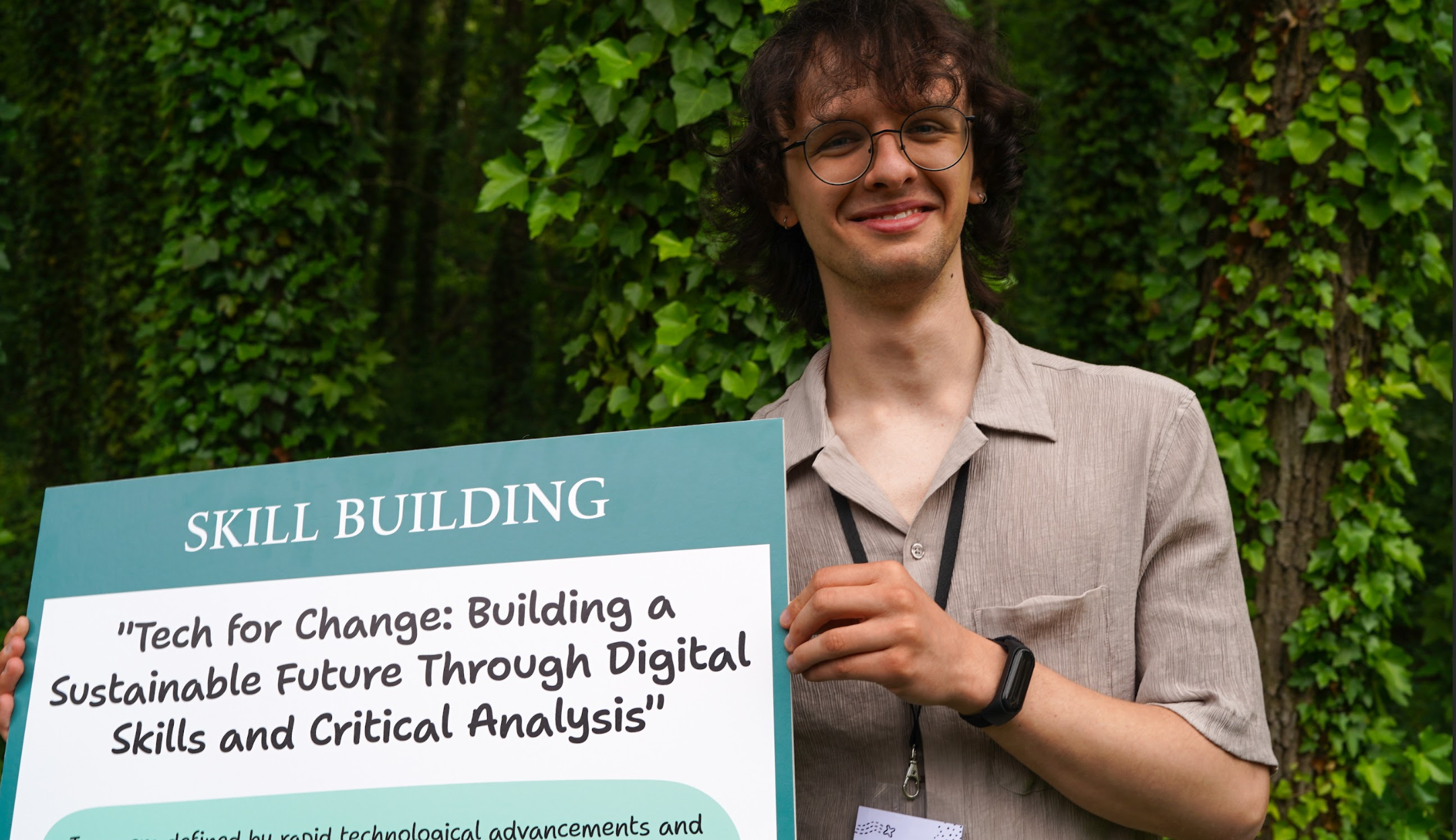
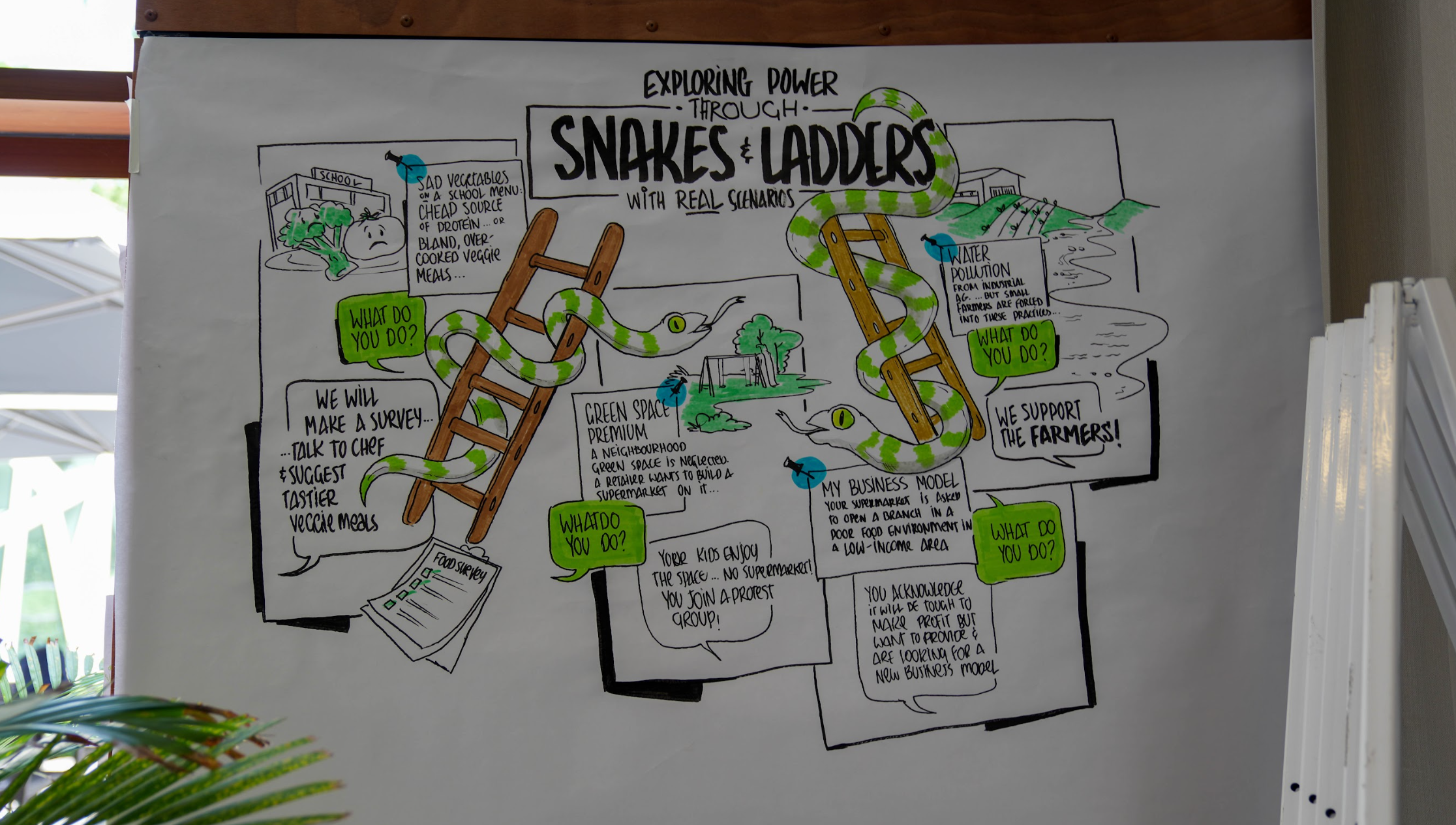
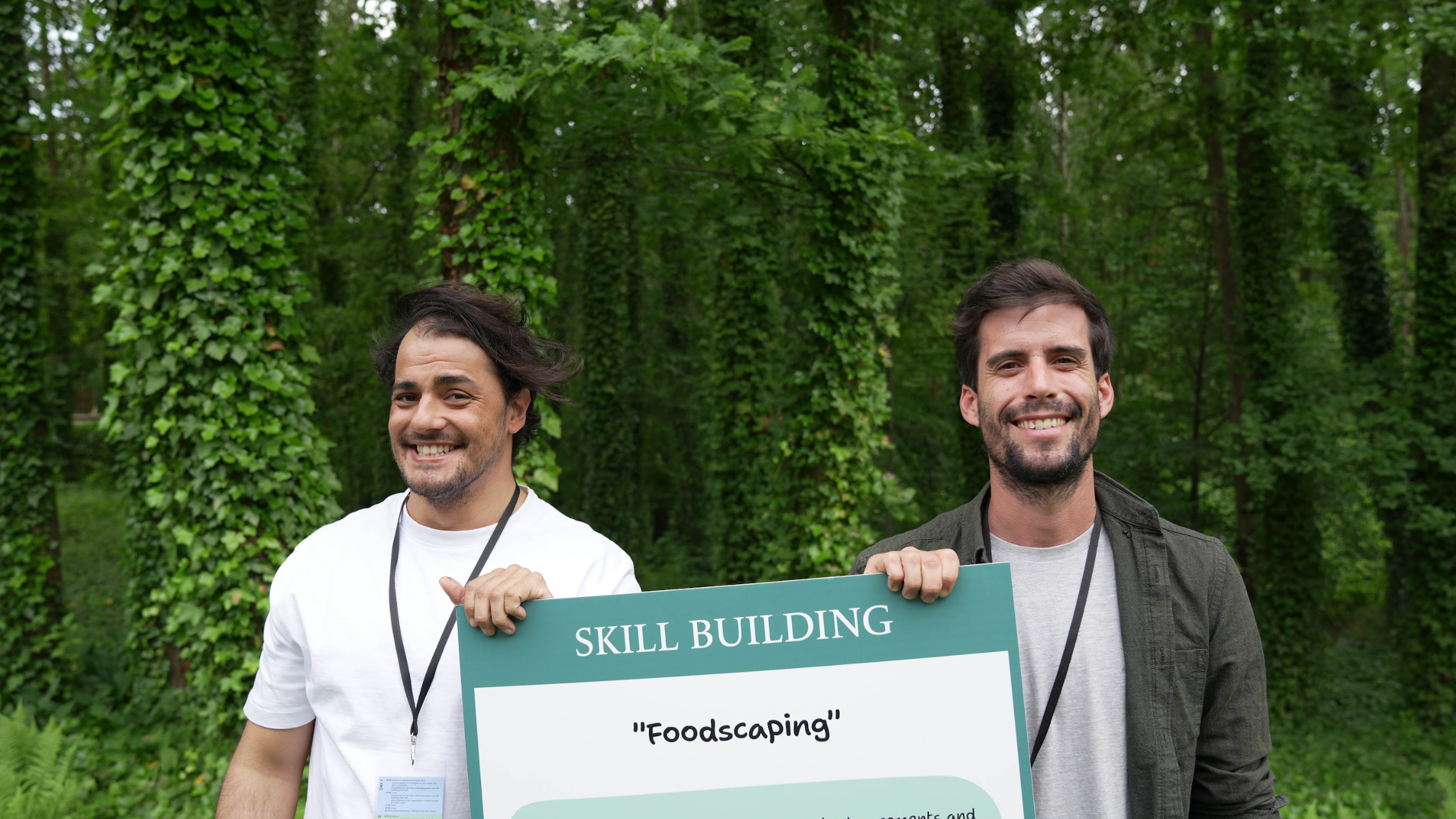
.png)
.png)

A Pan-European movement uniting civil society organisations and funders so that healthy, just and sustainable food environments become the norm and harmful agriculture ends.
Creative Commons Licence 4.0 2022, Healthy Food Heathy Planet
Privacy Policy


